
Sugar substitutes - these are the best alternative sweeteners
It's no secret that excessive sugar consumption can have negative health effects. Incredibly, almost 80% of all packaged foods contain sugar. It is therefore almost impossible to avoid industrial sugar. However, the WHO recommends a maximum intake of 50g of sugar per day. Since this is difficult to achieve, one should at least partially switch to alternative sweeteners.
Stevia
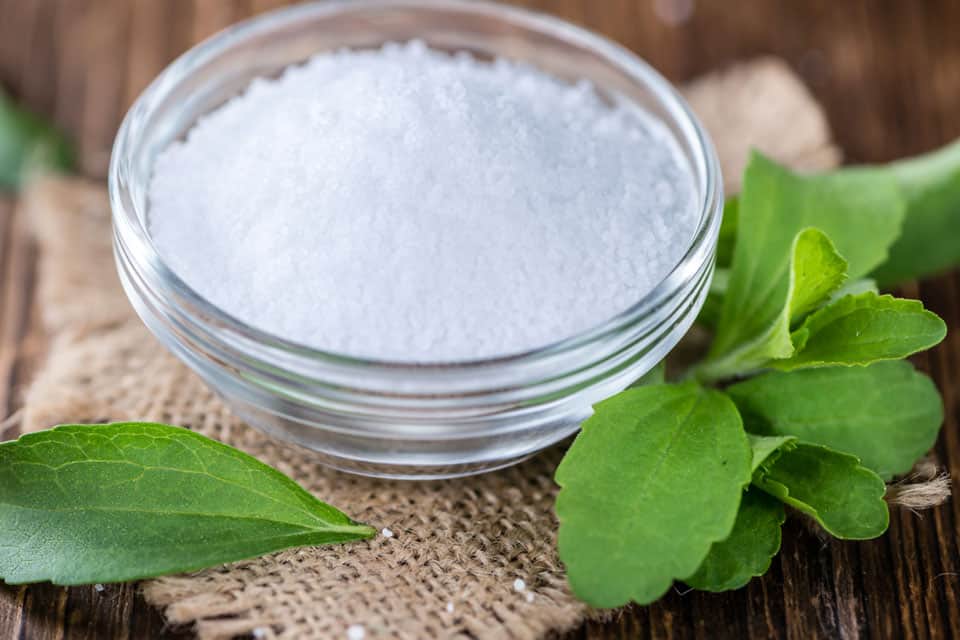
Stevia is a purely plant-based sweetener that does not affect blood sugar levels. Only small amounts need to be added to recipes. Stevia is particularly suitable for smoothies, desserts, or even tea. However, for elaborate baked goods, it can sometimes be difficult to properly dose this sugar substitute.
Coconut Blossom Sugar
Another natural sweetener is coconut blossom sugar. This comes from the nectar of the coconut palm blossom. The glycemic index is relatively low, so blood sugar rises only slightly when consuming this sweetener. Unlike industrial sugar, coconut blossom sugar is not as sweet, but it has a slightly caramel-like taste.

Maple Syrup
Another very popular sugar substitute is maple syrup. This is obtained from the trunks of maple trees. It is a natural sweetener that also contains great nutrients. The sweetening power is slightly lower than that of conventional, industrial sugar. To achieve the desired result, you can simply use a little more maple syrup.
Xylitol (Birch Sugar)
Xylitol – also popularly known as birch sugar – is a low-calorie sweetener. This sugar alcohol (E967) is a natural component of various fruits and vegetables and is very expensive to produce. It is extracted, for example, from the remnants of corn cobs. Large amounts of xylitol can lead to stomach problems. Nevertheless, birch sugar has 40% fewer calories and the same sweetening power as industrial sugar.
Dates
Dates (dried fruits) also represent a natural alternative to industrial sugar. The natural sweetness of these fruits is relatively neutral and is therefore wonderfully suitable for sweetening soups, smoothies, or other recipes. A syrup can also be made from dates for easier dosing. For this, the dates only need to be pureed with a little water and can be consumed within a week.
Agave Nectar
Agave nectar is also a very popular sweetener and is extracted from the agave plant. The consistency is slightly more liquid than honey, which makes it easy to dose and process. This sweetener also contains many beneficial ingredients. The sweetening power of this natural sweetener is stronger than that of industrial sugar.
Palm Sugar
Palm sugar is also a natural sweetener with a low glycemic index (40). This sweetener is wonderfully suitable for sweetening a wide variety of foods and also contains valuable ingredients. However, palm sugar is unfortunately not very sustainable, as entire parts of the rainforest are cleared and deforested for its extraction.
Yacon
Another very interesting sweetener is yacon. It is extracted from a plant from South America and contains many minerals and fiber. Yacon also has a low glycemic index and fewer calories than industrial sugar or natural sweeteners such as honey.
Honey
Honey is probably the oldest sweetener. To produce honey, bees take the juices from flowers and enrich them with various substances, then store this liquid in the honeycomb. Honey is attributed many positive properties. Unfortunately, honey has a lot of calories in proportion. It has almost as many calories as industrial sugar, but its sweetening power is lower.
Conclusion: Which sugar substitute is recommended
Basically, there are many reasons to opt for alternative sweeteners. It is best to choose one with a natural origin and no chemical components. Of course, the choice also depends on individual taste and intended use. Alternative sweeteners are available in different varieties, so there is a suitable substitute for everyone.


